













 Wsparcie e-mailowe:
 WhatsApp:
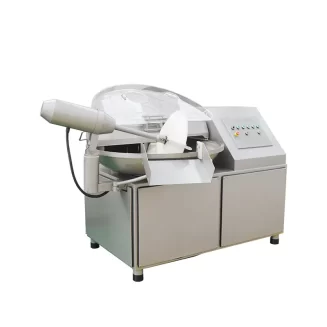
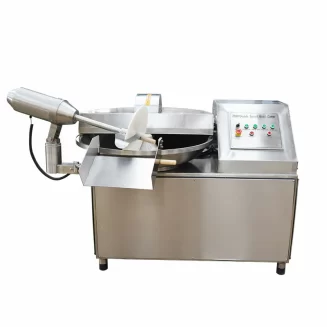
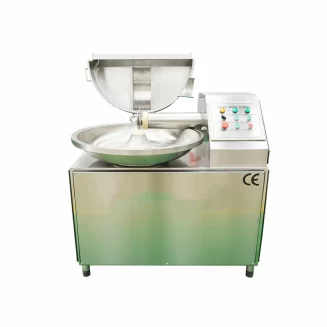
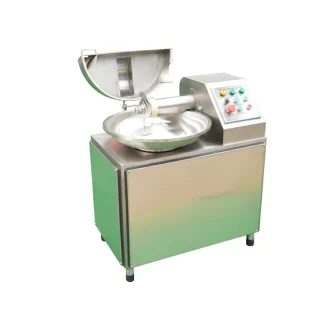
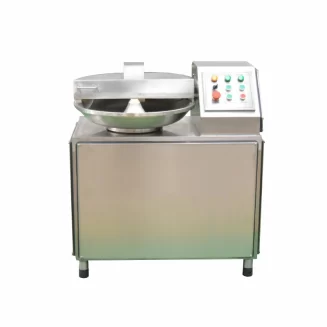
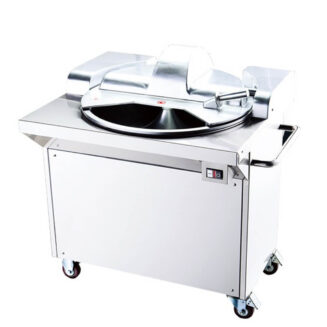
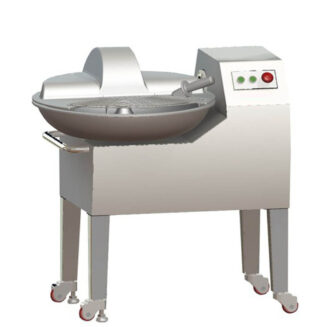
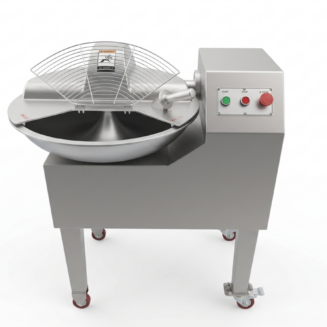
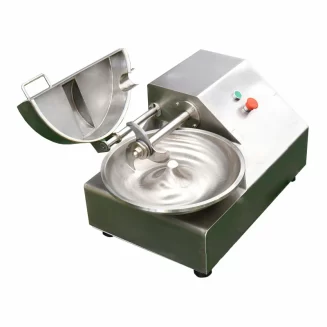
Profesjonalne rozdrabniacze misowe do mięsa są przeznaczone do rozdrabniania, mieszania i emulgowania mięsa, tłuszczu oraz innych składników w celu uzyskania jednolitej mieszanki. Firma Newin oferuje rozdrabniacze stołowe, pionowe i przemysłowe o różnej pojemności misy, przeznaczone dla sklepów mięsnych, placówek gastronomicznych, zakładów produkcji kiełbas oraz zakładów przetwórstwa mięsnego.
📥 Pobierz katalog profesjonalnych rozdrabniaczy i mikserów do mięsa (PDF)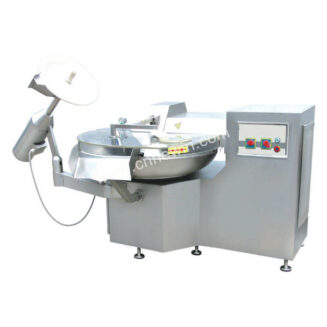
📝 Poproś o wycenę
Przemysłowe rozdrabniacze do mięsa
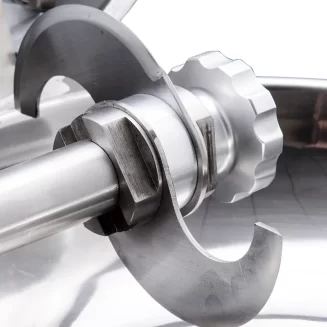
Przemysłowe rozdrabniacze misowe służą do rozdrabniania, mieszania i emulgowania mięsa, tłuszczu oraz innych składników w celu uzyskania bardziej jednolitej mieszanki. Miska, noże tnące i silnik współpracują ze sobą podczas przetwarzania, dzięki czemu tego typu maszyny sprawdzają się przy przygotowywaniu mięsa, produkcji kiełbas oraz w innych zastosowaniach związanych z przetwórstwem spożywczym. Firma Newin oferuje rozdrabniacze miskowe o różnej wydajności i w różnych konfiguracjach, od kompaktowych modeli stołowych po większe maszyny przemysłowe.
Stolowe i przemysłowe rozdrabniacze do mięsa
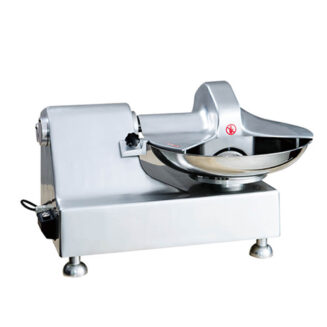
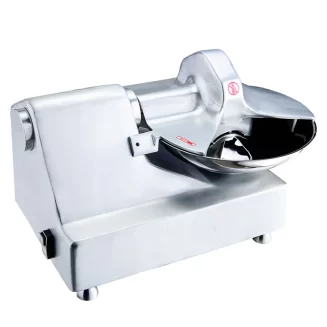
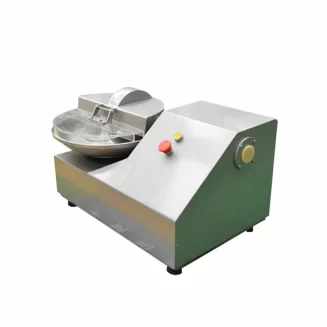
W przypadku mniejszych wielkości produkcji kompaktowy rozdrabniacz misowy może być łatwiejszy w montażu i obsłudze niż większa maszyna stojąca na podłodze. Ten HLQ-5 – biurkowa maszynka do mielenia mięsa z miską o pojemności 5 l nadaje się do przygotowywania mięsa w małych partiach, podczas gdy HLQ-8 – stołowa maszynka do mielenia mięsa z miską oferuje miskę o pojemności 8 litrów przeznaczoną do użytku komercyjnego.
The HLQ-14 – stołowa maszynka do mielenia mięsa z miską o pojemności 10 l to kolejna kompaktowa opcja przeznaczona do mniejszych partii. Dla zakładów poszukujących większej miski i pionowej konfiguracji, model HLQ-20 – pionowa maszynka do mielenia mięsa z miską o pojemności 20 l przedstawia inny układ maszyn. Ten HLQ-20L – rozdrabniacz do mięsa z miską o pojemności 24 l jest również dostępny do przemysłowego przetwórstwa mięsa.
Wybierz rozdrabniacz do mięsa według pojemności miski
Pojemność misy jest jedną z pierwszych cech technicznych, które należy wziąć pod uwagę przy wyborze rozdrabniacza mięsnego z misą. Mniejsze urządzenia są zazwyczaj łatwiejsze w obsłudze w przypadku ograniczonych wielkości partii, natomiast większe urządzenia są przeznaczone do produkcji na większą skalę. Seria Newin obejmuje kilka rozmiarów mis, dzięki czemu nabywcy mogą dobrać urządzenie zgodnie z wymaganą wielkością partii, dostępną przestrzenią oraz procesem produkcyjnym.
W przypadku większych przedsiębiorstw komercyjnych ZB-20 – profesjonalna maszyna do mielenia mięsa z misą o pojemności 20 l zapewnia większą wydajność roboczą niż kompaktowe modele HLQ. Ten ZB-40 – przemysłowa maszynka do mielenia mięsa z misą o pojemności 40 l jest przeznaczona do większych partii, a jej deklarowana wydajność wynosi do 30 kg na partię. W przypadku przetwarzania większych ilości urządzenie to ZB-80 – przemysłowa maszynka do mielenia mięsa z misą o pojemności 80 l wyposażony jest w większą miskę o pojemności 80 l oraz umożliwia przetwarzanie partii o masie 60 kg.
W górnej części zakresu model ZB-125 – przemysłowa maszynka do mielenia mięsa z misą o pojemności 125 l jest przeznaczona do przetwarzania mięsa na dużą skalę, a jej deklarowana wydajność wynosi 90 kg na partię. Model Newin oferuje również GZB125 – przemysłowa szybkobieżna maszyna do siekania z misą o pojemności 125 l jako odrębną konfigurację maszyny. Chociaż oba modele są wyposażone w miskę o pojemności 125 l, są to różne produkty i można je dobrać w zależności od wymaganej konfiguracji maszyny oraz warunków przetwarzania.
Rozdrabnianie, mieszanie i emulgowanie składników mięsnych
Rozdrabniacz misowy może służyć nie tylko do rozdrabniania mięsa na mniejsze kawałki. W zależności od konfiguracji urządzenia i wymagań technologicznych proces rozdrabniania może również pomóc w połączeniu mięsa, tłuszczu, wody, lodu i przypraw w bardziej jednolitą mieszankę. Dzięki temu rozdrabniacze misowe sprawdzają się w produkcji kiełbas, przygotowywaniu farszów mięsnych oraz w innych zastosowaniach, w których wymagana jest jednolita konsystencja.
Odpowiednie rozmieszczenie noży i prędkość pracy zależą od przetwarzanego produktu oraz pożądanego efektu. Nabywcy powinni zatem brać pod uwagę rodzaj mięsa, wielkość partii, stan składników oraz wymaganą konsystencję, zamiast wybierać maszynę wyłącznie na podstawie mocy silnika.
Jak wybrać przemysłową maszynę do siekania mięsa
Porównując komercyjne maszynki do mielenia mięsa z misą, należy zacząć od wymaganej wielkości partii i pojemności misy. Maszyna stołowa może być odpowiednia dla sklepu mięsnego, restauracji lub niewielkiego zakładu produkcyjnego, natomiast większe maszyny pionowe lub przemysłowe lepiej sprawdzają się w przetwórstwie ciągłym lub przy większych ilościach.
Przed złożeniem zamówienia należy również sprawdzić moc silnika, konfigurację ostrzy, pojemność misy, wymiary maszyny oraz dostępne parametry elektryczne. Jeśli maszyna ma zostać włączona do istniejącej linii produkcyjnej, należy również wziąć pod uwagę przestrzeń montażową oraz sposób podawania i rozładunku.
W przypadku zastosowań wymagających kilku etapów przygotowania mięsa można również wykorzystać rozdrabniacz misowy w połączeniu z innymi urządzeniami do przetwórstwa mięsa. Firma Newin dostarcza komercyjne maszynki do mielenia mięsa do zastosowań związanych ze szlifowaniem, komercyjne maszyny do krojenia mięsa w kostkę do wytwarzania jednolitych kostek i pasków mięsa, oraz komercyjne krajalnice do mięsa do krojenia świeżego i mrożonego mięsa. Informacje na temat cięcia kości i innych produktów wymagających piłowania można znaleźć w sekcji przemysłowe piły do kości kategoria.
Dostawa komercyjnych rozdrabniaczy do mięsa
Firma Newin oferuje przemysłowe i komercyjne rozdrabniacze mięsne z misą o różnej pojemności, w różnych konfiguracjach i o różnym zakresie przetwarzania. Przy składaniu zapytania ofertowego warto podać wymaganą wielkość partii, rodzaj mięsa lub składników, przewidywaną wielkość produkcji, dostępne zasilanie oraz preferowaną pojemność misy. Informacje te pomagają określić, która konfiguracja rozdrabniacza z misą najlepiej nadaje się do danego zastosowania.
Często zadawane pytania
Do czego służy rozdrabniacz do mięsa?
Rozdrabniacz do mięsa służy do rozdrabniania i mieszania mięsa, tłuszczu oraz innych składników. W zależności od modelu urządzenia i procesu może być również wykorzystywany do emulgowania mieszanek mięsnych przeznaczonych do produkcji kiełbas i innych przetworów mięsnych.
Jaką pojemność miski powinienem wybrać?
Wymagana pojemność misy zależy głównie od wielkości partii i wielkości produkcji. Mniejsze modele stołowe nadają się do mniejszych partii, natomiast do większych potrzeb produkcyjnych dostępne są maszyny o pojemności 40 l, 80 l i 125 l.
Jaka jest różnica między siekaczem stołowym a przemysłowym?
Stolnicowe rozdrabniacze z misą są zazwyczaj bardziej kompaktowe i łatwiejsze w montażu w miejscach, gdzie wielkość produkcji jest ograniczona. Modele przemysłowe mają większe misy i są przeznaczone do przetwarzania większych partii oraz większych ilości.
Czy rozdrabniacz misowy można stosować z innymi maszynami do przetwórstwa mięsa?
Tak. Rozdrabniacz misowy może stanowić część szerszej linii do przetwórstwa mięsa wraz z maszynami do mielenia, krajalnicami do mięsa, maszynami do krojenia mięsa w kostkę oraz piłami do kości. Odpowiednia kombinacja zależy od wymaganych etapów przetwarzania.