

















 Email Support:
 WhatsAPP:
Thinking about grabbing a fresh meat cutter machine lately? If you’ve started browsing, you’ve probably noticed the wildly huge price gap—ranging anywhere from a hundred bucks to well over a thousand. It’s enough to give anyone pause. Nobody wants to overpay, but buying a cheap machine that breaks down in two weeks is even worse—especially when returns are a headache and customer support is practically nonexistent.
Don’t worry, though. Today, we’re looking at this strictly from a buyer’s perspective. Here’s how to choose a slicer you’ll actually love using, without wasting a single hard-earned dollar.
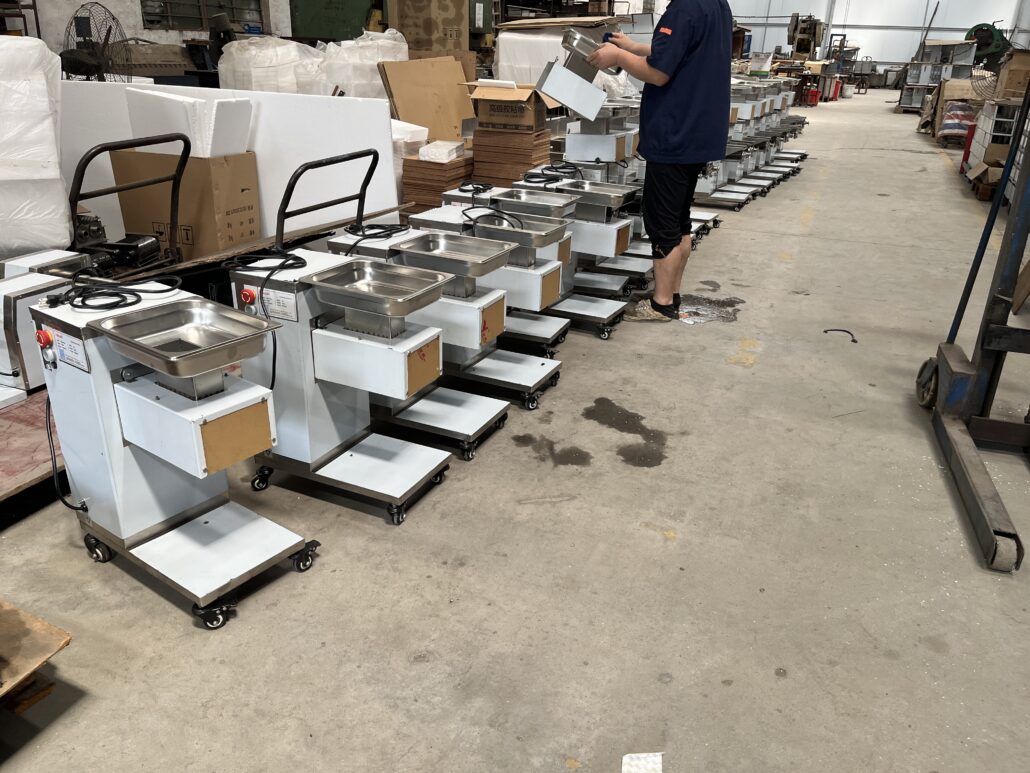
Step 1: Know Your Needs and Set the Right Budget
First things first: set your budget based on how you’re actually going to use it. When it comes to slicers, pricier doesn’t automatically mean better, and going as cheap as possible is usually a trap. It all comes down to finding the right fit for your workload.
- Entry-Level / Home Use ($150–$180): If you’re just slicing meat at home once in a while, a basic model in this range can get the job done. But if you’re running a hot pot spot or a BBQ joint, skip these entirely—they just aren’t built to handle commercial-grade workloads.
- Light Commercial ($180–$1200): Good for small diners or cafes that only need to slice around 10 to 20 pounds of meat a day. It’ll do the trick, but keep your expectations realistic regarding lifespan. You get what you pay for when it comes to durability.
- Heavy-Duty Commercial ($1500+): If your shop stays busy and you need serious efficiency, precise cuts, and rock-solid reliability, lift your budget into the higher tier. If you’re running a high-volume business, explore our professional meat cutting machine collection engineered for continuous daily use.
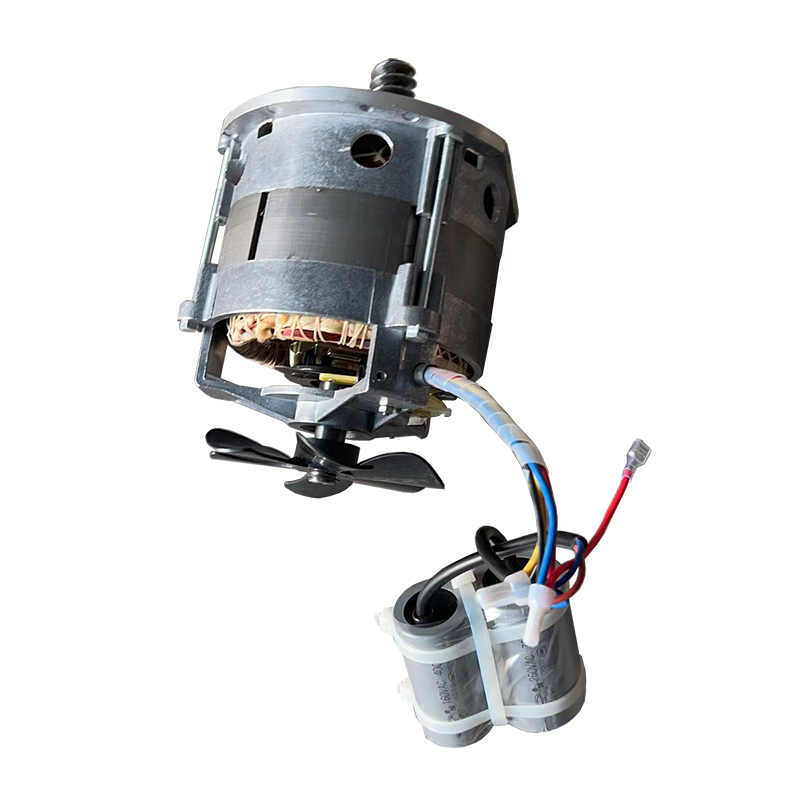
Step 2: Focus on What Matters—The Two Key Components
Once you’ve settled on a budget, it’s time to look under the hood. A meat slicer is really only as good as two core parts: the motor and the blade assembly.
1. The Motor: The Heart of the Machine
The motor dictates both slicing performance and how long the machine will last. When evaluating a quality meat cutter machine, make sure to check these three boxes:
- Is it brushless? Brushless motors last significantly longer and have far lower failure rates than traditional brushed ones.
- Does it have a pure copper core? A pure copper core delivers reliable power and runs consistently—it’s usually the benchmark of a well-built commercial slicer.
- Is it a quiet motor? Don’t overlook this! Loud motors usually mean heavy vibration. If the machine shakes violently while running, your meat slices will end up uneven and look sloppy. A quiet motor keeps things steady, giving you clean, uniform slices every time.
2. The Blade Assembly: Direct Contact, Hygiene, and Cleanup
Since the blade directly touches your food, its material and design determine slice quality and—just as importantly—how painful cleanup is going to be.
- Blade Material: Check if it’s made from high-grade stainless steel or premium imported alloys. Sharpness and edge retention depend entirely on this.
- Open/Visible Design: Ask anyone who owns a slicer: cleanup is usually the biggest headache. Look for an open design where you can easily see the blade and spacers. Meat bits always cling to the spacers, so being able to see where you’re cleaning makes all the difference.
- No-Disassembly Cleaning: The gold standard here is a machine you can thoroughly clean without taking the blade off. It saves you tons of time, reduces wear and tear from constant disassembly, and keeps your fingers safe.
Final Verdict: Pick the Right Tool for the Job
At the end of the day, buying a solid meat slicer comes down to three things: match your workload, check the motor specs, and evaluate the blade design. Stick to those rules, and you’ll easily dodge the duds and find a machine that actually works for you.
Looking for durable meat processing equipment for your kitchen?
Browse our full lineup of commercial-grade meat cutting machines built for precision, power, and effortless maintenance.

Newin SJ02T 2T/h Industrial Sugar Cane Juicer
Newin SJ01T 1T/h Industrial Sugar Cane Juicer
Newin QD-550 Commercial Meat Dicing Machine – 700–900 kg/h
Newin QD-350 Meat Dicing Machine for Fresh & Frozen Meat
Newin DMS-201 Multi-Functional Meat Grinder & Cutter Machine
Newin DM-32 Industrial Stainless Steel Commercial Meat Grinder (DM-12 / DM-22 / DM-32)
Newin NW-250KS Tabletop Commercial Bone Saw Machine
Newin NW-310K Variable Speed Floor-Type Bone Saw Machine
Newin NW-250CC Floor-Type Commercial Bone Saw Machine
Newin NW-250CE Tabletop Stainless Steel Bone Saw Machine
Newin NW-PF1S Square Pan Commercial Rolled Ice Cream Machine
Newin NW-PF1R Single Round Pan Thai Rolled Ice Cream Machine